🐍 Western Hognose Snake Summary
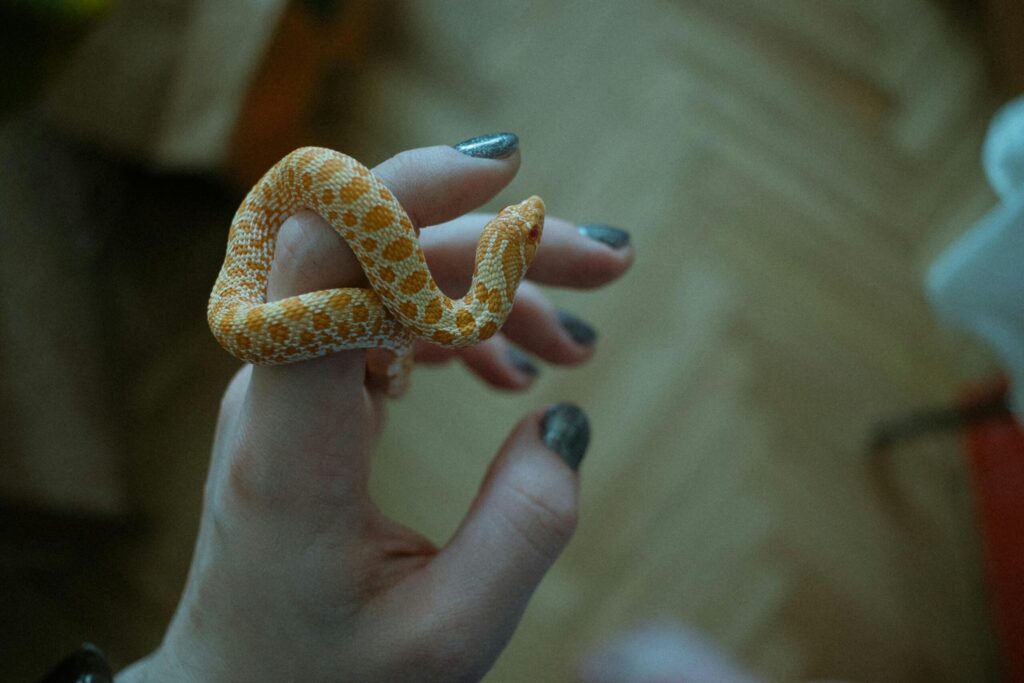
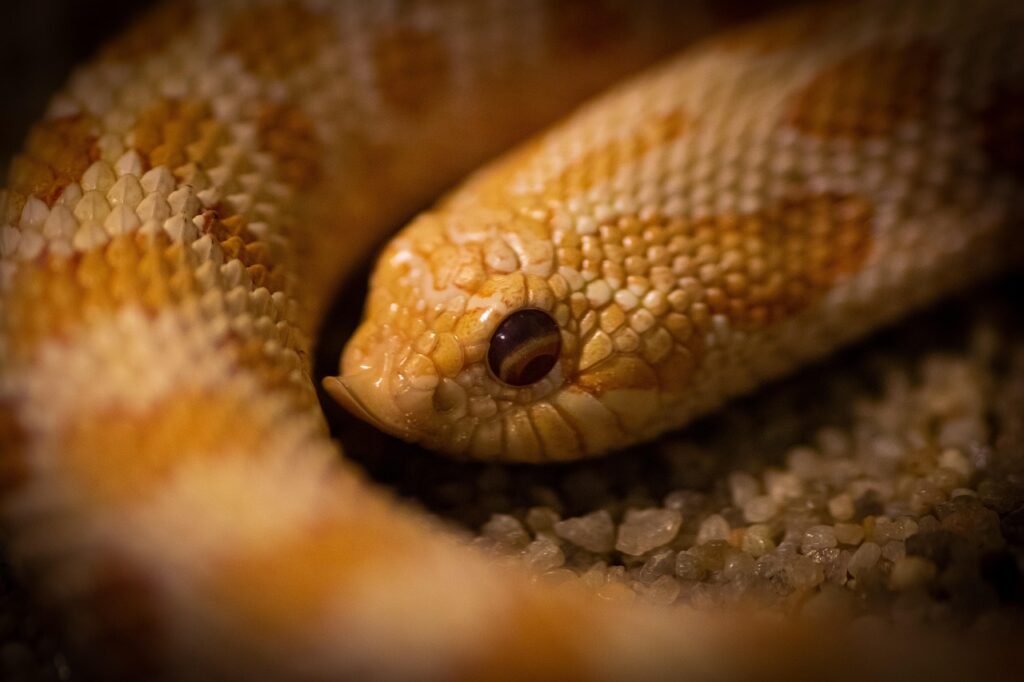
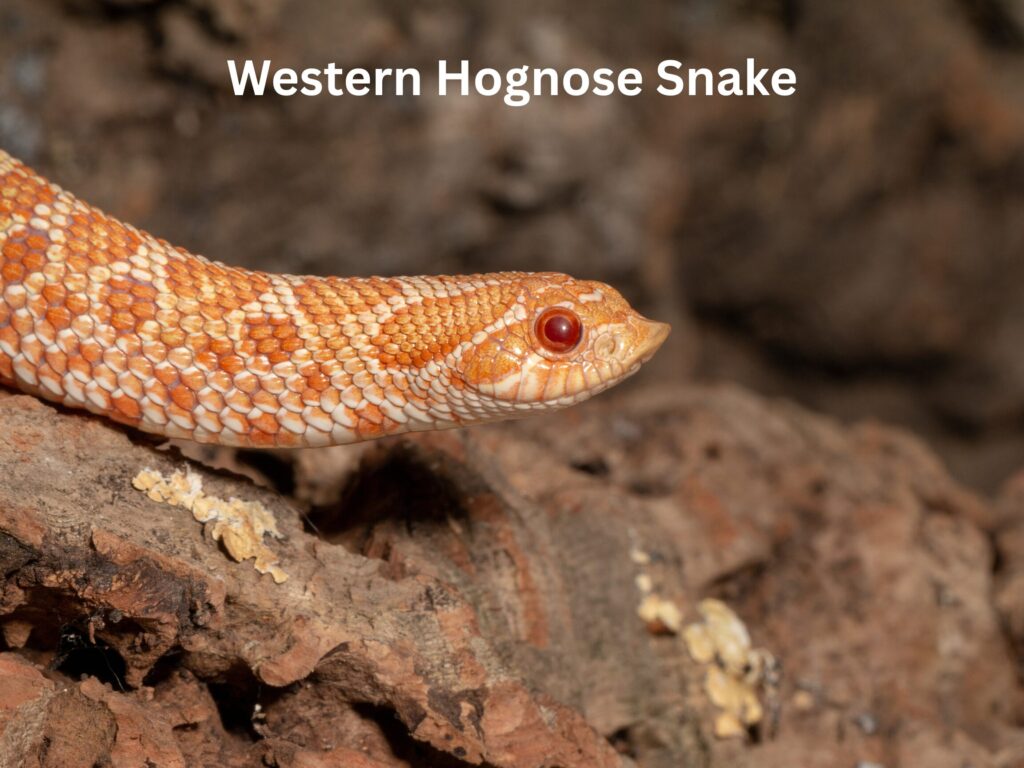
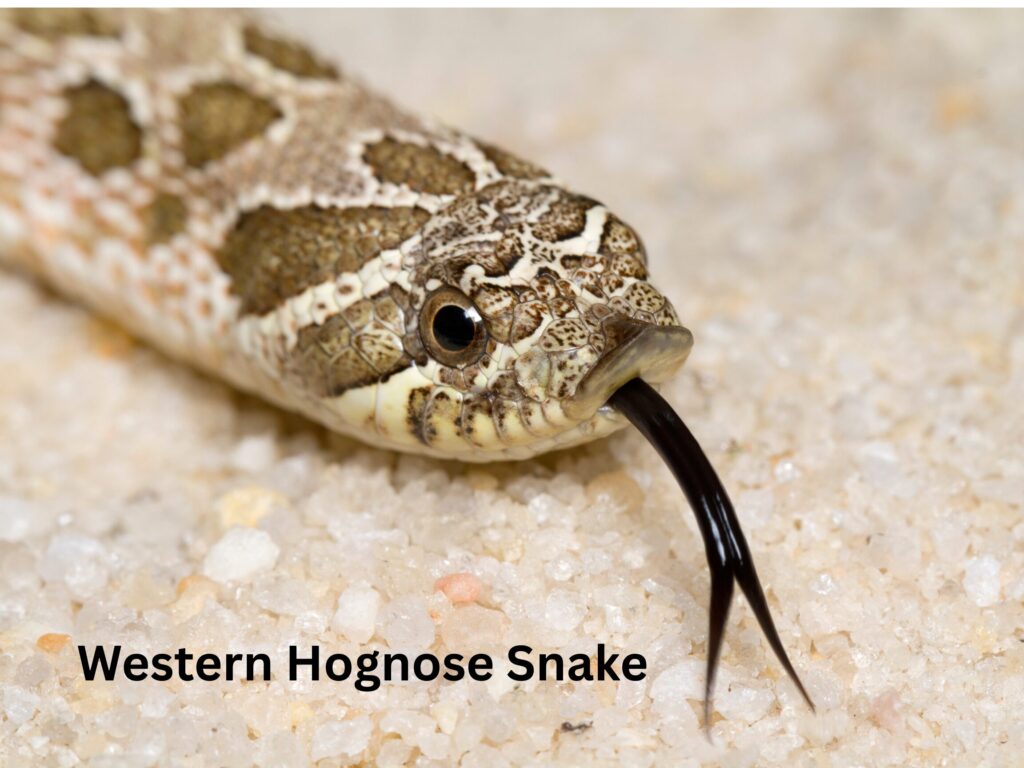
The Western Hognose Snake (Heterodon nasicus) is a small, stout-bodied snake native to North America, found from southern Canada to northern Mexico in areas with sandy or gravelly soils like prairies and grasslands. They are diurnal, primarily active during the day, and fossorial, spending much of their time burrowing.
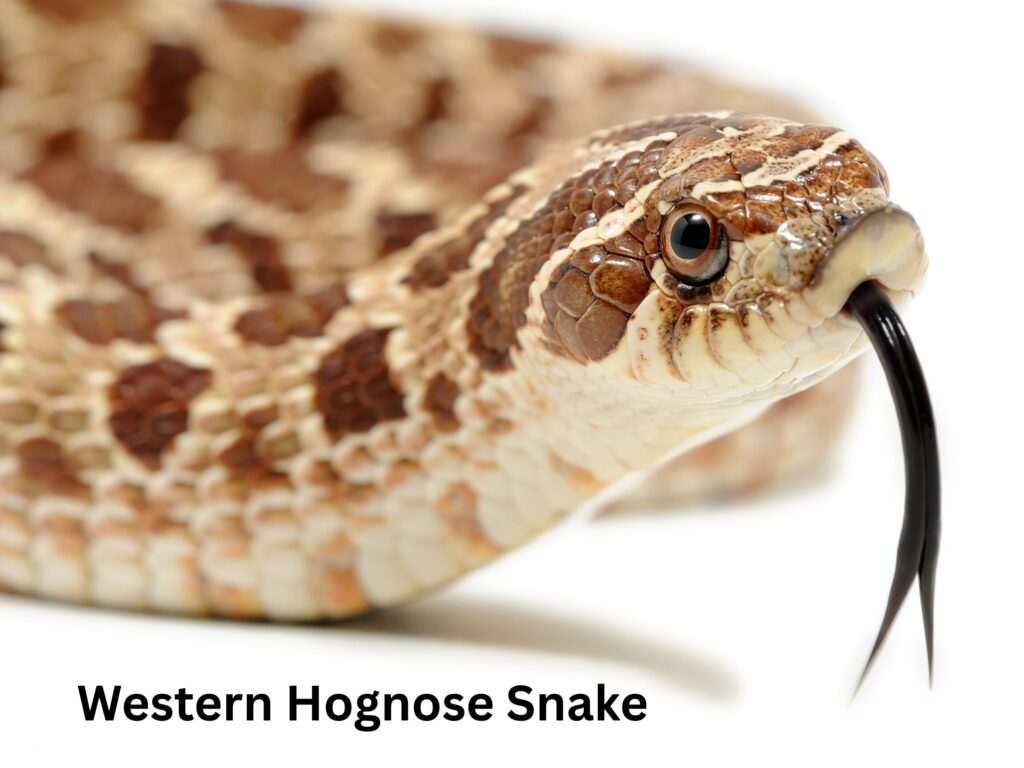
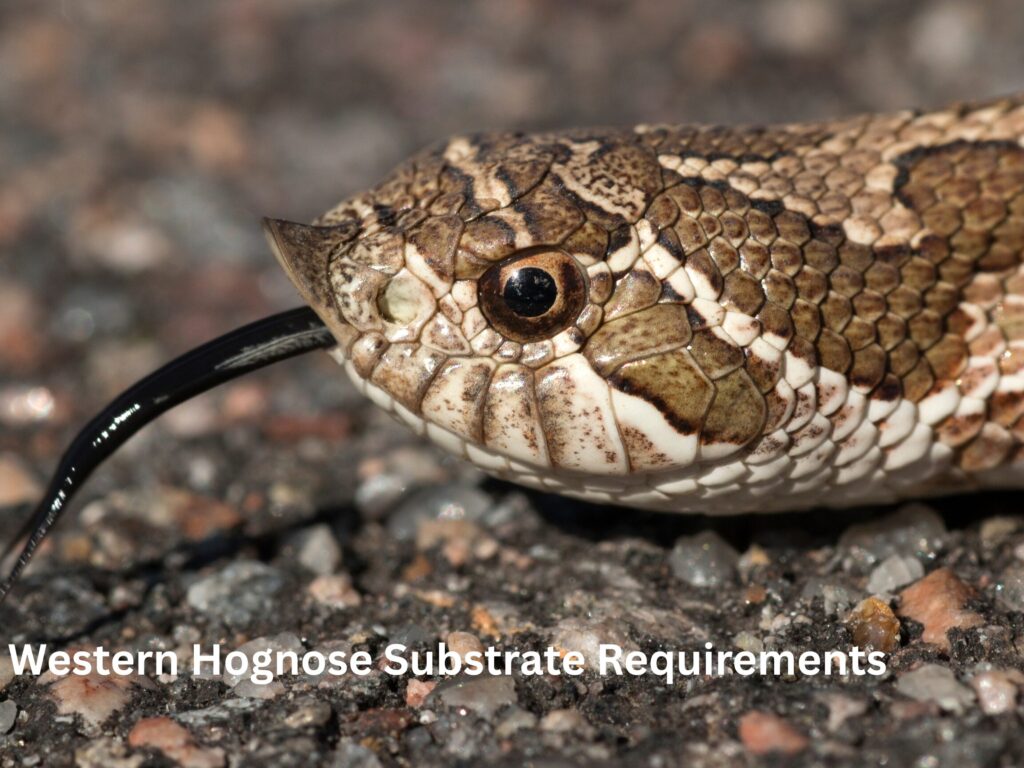
Adults typically reach 17 to 35 inches in length, with females being significantly larger than males . They are known for their upturned rostral scale (snout), which aids in digging, and their coloration often mimics that of rattlesnakes. When threatened, they may flatten their necks, hiss, and make bluff strikes, but they are generally docile and rarely bite.
🏠 Enclosure Size and Setup
A properly sized enclosure allows your hognose to exhibit natural behaviors and maintain a healthy temperature gradient. It is incredibly difficult to create a proper thermogradient in an enclosure smaller than 20-gallons which is why we recommend at least a 20-gallon tank as a minimum standard for Western Hognose Snakes of any age. Adult snakes require more space which is why we recommend at least a 40-gallon enclosure for adult Western Hognose snakes.
| Life Stage | Minimum Recommended Size | Note |
|---|---|---|
| Hatchling (under 6″) | 20-Gallon Minimum | Adequate for very small snakes. |
| Juvenile (up to 1 year) | 20-Gallon Minimum | Suitable for growing snakes. |
| Adult Male | 40-Gallon Minimum | A comfortable minimum for smaller adults. |
| Adult Female | 40-Gallon Minimum | Required due to their larger size; bigger is always better. |
Enclosure Type: Glass aquariums are common, but PVC or wood enclosures are often better as they retain heat more effectively and their solid sides can help reduce stress for the snake. Ensure the enclosure has a secure, clamped, or locked lid to prevent escapes. Cohabitation is not recommended, as hognose snakes are solitary animals.
🎨 Hides and Decor
Environmental enrichment is crucial for your snake’s mental and physical health.
- Hides: Provide at least two hides, one on the warm end and one on the cool end of the enclosure. A third, humid hide stuffed with moist sphagnum moss can aid in shedding.
- Climbing Opportunities: Though they burrow, hognoses will climb. Sturdy branches, cork rounds, and hollow logs offer exercise and exploration. Get reptile safe branches here.
- Other Decor: Flat rocks placed under the heat source can create a warm basking surface. Artificial or live, drought-tolerant plants (like succulents), grass, and leaf litter provide cover and make the environment more natural.
🌡️ Heating and Temperature
As cold-blooded animals, hognoses need a temperature gradient to regulate their metabolism.
- Basking Zone: 90-95°F . This is best created with a halogen heat bulb in a dome fixture. A dimmer may also be needed to meet the heating requirements of your snake depending on the size of your enclosure.
- Cool Zone: 70-75°F.
- Nighttime: Temperatures can safely drop to no lower than 60°F. Nighttime heat bulbs are not necessary and can disrupt sleep.
- Use a thermostat to regulate your heat source — very important to prevent overheating.
- Heating Equipment: Avoid heat mats and do not use heat rocks, as they are notorious for causing severe burns. Use a thermostat with any heat source and monitor temperatures with a digital probe thermometer or a temperature gun.
💧 Humidity and Water
- Humidity: Maintain ambient humidity between 30-50%. Monitor with a digital hygrometer.
- Water: Provide a large, heavy water dish that the snake can soak its entire body in. Change the water daily and scrub the bowl weekly with a reptile-safe disinfectant. Use filtered or spring water instead of distilled water, which can cause nutritional issues. Get your water dish here.
💡 Lighting and UVB
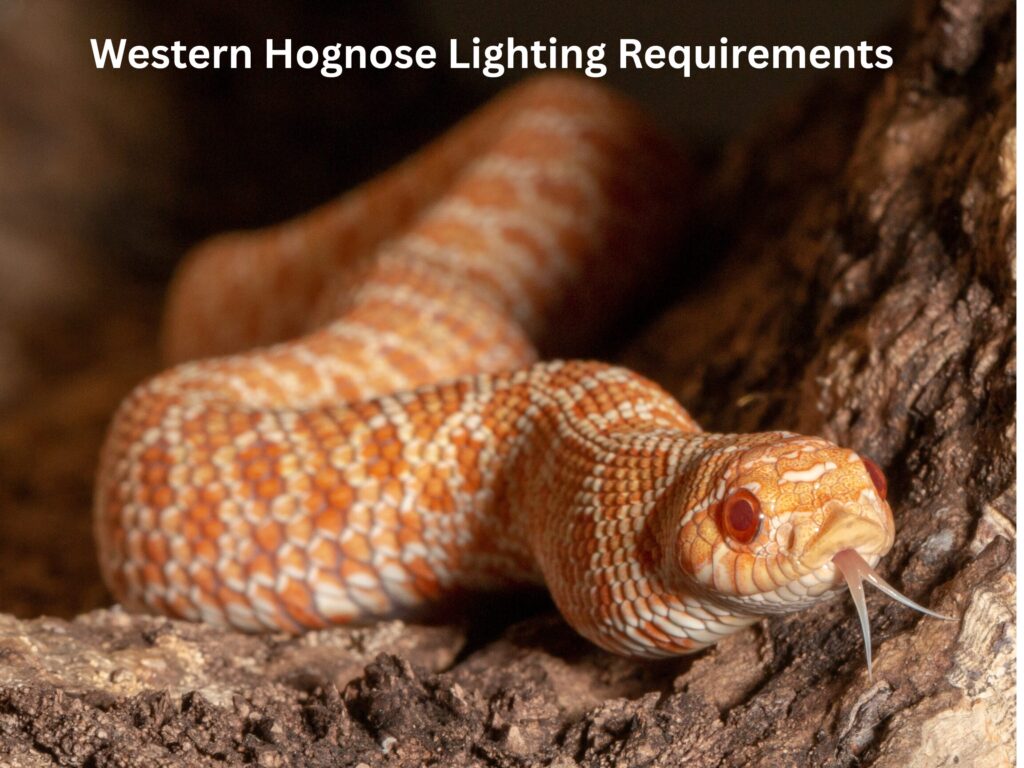
Being diurnal, hognoses benefit from a consistent light cycle.
- Lighting Cycle: A 12-hours on, 12-hours off cycle is standard, though you can mimic seasonal changes for a more natural rhythm.
- UVB Lighting: While they can survive without it, providing UVB is considered best practice. It aids in Vitamin D3 synthesis, calcium metabolism, and overall wellbeing.
- Recommended Setup: A T5 HO UVB lamp (like Arcadia 6% or Zoo Med Reptisun 5.0) placed above a mesh lid, with the basking area 6-8 inches below the bulb . UVB bulbs must be replaced every 12 months.
🏔️ Substrate Recommendations
A deep layer of burrow-friendly substrate is essential.
- Ideal Substrate Mix: A combination of organic topsoil and play sand works well. A DIY mix could be 70% topsoil (Organic and Untreated) mixed with 30% play sand.
- Depth: The substrate should be at least 4 inches deep to allow for natural burrowing behavior.
- Alternatively you can use a substrate such as Josh’s Frogs BioBedding Desert Bioactive Substrate or The Bio Dude Terra Sahara Bioactive Reptile Substrate.
Avoid:
Very dusty or irritating materials. Do not use sand, clay-based cat litter, cedar, pine, or untreated soil from outdoors. These can cause breathing or skin problems. Newspaper or paper towels are okay for very young snakes, but for adults use more natural bedding to allow for digging and humidity control.
If you would like to consider a safer option you can always use news paper or paper towels with sick snakes or in an effort to prevent impaction from your snake accidently consuming naturalistic substrate or other indigestible items. These substrates are both safer for the snake and much easier to clean and maintain. However, they do not provide the same naturalistic appeal of the zoo quality enclosures most keepers want for their pets and considering most reptiles don’t die from consuming substrate in the wild, impaction is incredibly rare when caused by substrate. Impaction is usually imposed by other factors contributing to an animals health such as dehydration, underheating, inadequate UVB or supplementation, lack of exercise or pre-existing illness. If your animal is showing signs of impaction your exotic veterinarian will likely consider these factors in addition to the substrate you use.
Spot-clean the substrate daily by removing feces and shed skin. Fully replace all substrate every 3–4 months to prevent bacterial buildup.
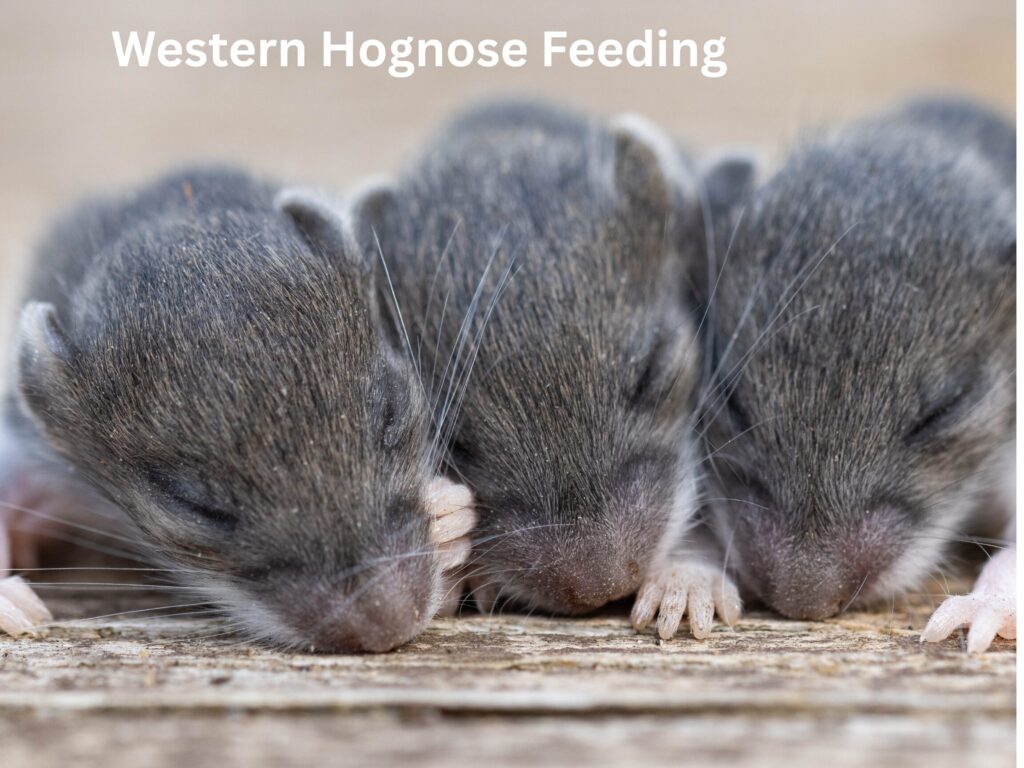
🍗 Dietary and Feeding Requirements
In the wild, hognose snakes eat primarily amphibians, but in captivity, they can be fed a diet of frozen/thawed rodents.
- Staple Diet: Frozen-thawed rodents are safest. The prey item should be no larger than the diameter of the snake’s head.
- Feeding Schedule:
- Diet Variety: For optimal health, offer variety such as quail eggs, captive-bred frogs/toads, or Reptilinks. If your hognose is a picky eater, you can try scenting pinky mice with frog or lizard scenting liquids.
- Feeding Tips: Thaw frozen prey in the fridge overnight, then warm it in a plastic bag in almost hot water (around 98-100°F) before offering it with soft-tipped tweezers. Do not handle your snake for 24-48 hours after a successful feeding.
What to Avoid: Common Mistakes
To ensure your corn snake thrives, here are pitfalls to avoid:
- Substrate mistakes
- Avoid pine, cedar, sand, corncob, or very dusty beddings.
- Don’t feed directly on loose substrate with particles — risk of ingestion and impaction.
- Dangerous heating
- Never use hot rocks.
- Avoid uncontrolled heat sources: always use a thermostat.
- Improper lighting
- Don’t leave lights on constantly; that disrupts natural day/night cycles.
- Avoid red light “night bulbs” unless specifically designed — many keepers note they can disturb behavior and sleep.
- Feeding issues
- Don’t feed prey items that are too large — they should be no wider than the snake’s body.
- Avoid live prey if possible: frozen-thawed is safer and cleaner.
- Don’t handle your snake too soon after feeding — risk of regurgitation.
- Poor care practices (Suboptimal Husbandry)
- Skipping regular cleaning: waste should be removed promptly, and the enclosure should be disinfected periodically.
- Ignoring humidity or hiding needs: without a humid hide or proper microclimate, shedding and health may suffer.
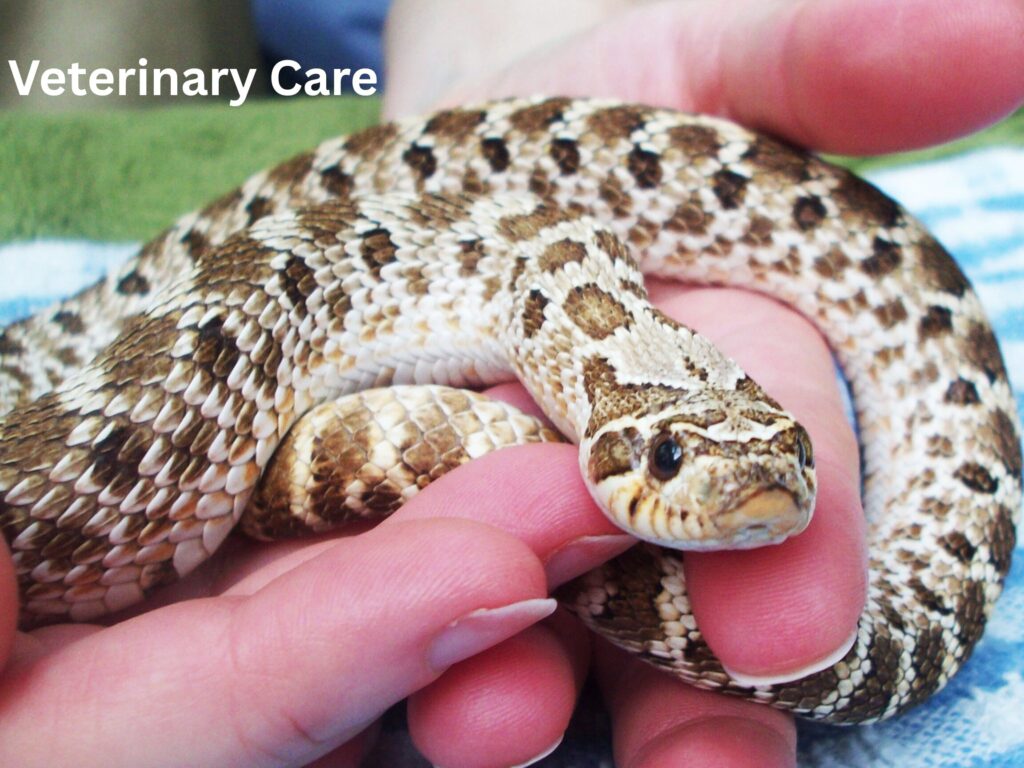
🩺 Veterinary Care and Common Health Issues
Preventative care and early detection are key to a long, healthy life.
- Finding a Vet: Locate an ARAV-certified reptile veterinarian for routine check-ups and emergencies.
- Common Health Issues and Mitigation:
- Obesity: Caused by overfeeding. Stick to the recommended feeding schedule and prey size.
- Regurgitation: Often caused by handling too soon after feeding, prey that is too large, or incorrect temperatures. Always allow 48 hours after feeding before handling and ensure your temperature gradient is correct.
- Stuck Shed: Usually due to low humidity. Provide a humid hide, especially during shedding cycles.
- Anorexia: Hognoses are famous for going off food, sometimes for months, especially in winter. This can be normal, but a sudden refusal to eat in an otherwise healthy snake warrants a vet visit if weight loss is significant.
- Health Monitoring: Weigh your snake weekly and keep a record of its weight, feeding responses, and shedding. A sudden change is often the first sign of illness.
If you are interested in obtaining a Western Hognose Snake consider adopting one at your local reptile rescue today!
Sources:
- “Western Hognose Care Sheet and Maintenance.” The Bio Dude, www.thebiodude.com/blogs/snake-caresheets/western-hognose-care-sheet-and-maintenance?srsltid=AfmBOoomcuMEf8gIuv_EQamytOGKCwPYYFC7c3OrBw7shf9Z5az6ll2M. Accessed 17 Nov. 2025.
- “Hognose Snake Enclosure Size Guidelines.” ReptiFiles®, 23 Oct. 2024, reptifiles.com/heterodon-hognose-snake-care/hognose-snake-enclosure-size/. Accessed 17 Nov. 2025
- “Common Hognose Snake Diseases & Other Health Info: Reptifiles.” ReptiFiles®, 19 Aug. 2020, reptifiles.com/heterodon-hognose-snake-care/hognose-snake-health/. Accessed 17 Nov. 2025
- “What Do Hognose Snakes Eat?: Reptifiles’ Hognose Care Guide.” ReptiFiles®, 12 June 2024, reptifiles.com/heterodon-hognose-snake-care/what-do-hognose-snakes-eat/. Accessed 17 Nov. 2025